
Aluminum wiring in an older home deserves a careful evaluation—not a scare tactic.
If a home inspection or insurance company has flagged your wiring, you may be wondering whether you have to rewire the entire house. The answer depends on the wiring, its condition, the proposed repair, and what your insurance company will accept.
I’ve worked as an electrician since 1988. My job is to explain what we find, discuss the available options, and give you the information you need to make a decision.
This article focuses on older, solid aluminum branch-circuit wiring—the smaller wiring that may serve outlets, switches and lighting. It is different from the larger stranded aluminum conductors commonly used for services and feeders. The mere presence of aluminum in a panel does not tell you that every circuit in the house uses solid aluminum wire. Home inspection reports call it out as “single strand aluminum”. This is the descriptor that insurance companies focus on.
The concern with older aluminum branch wiring often centers on connection points: outlets, switches, light fixtures, splices and other terminations. Connections that have deteriorated or were made with incompatible devices can overheat. A qualified electrician can evaluate the installation and identify visible damage and other concerns; an inspection cannot guarantee that every concealed problem will be found.
If you notice a burning smell, smoke, a hot or discolored outlet, or sparking, stop using the affected area and contact a qualified electrician promptly. If there is smoke or fire, leave the home and call 911. Do not remove covers or attempt to repair the wiring yourself.
Replacing branch-circuit wiring with copper is one option, but the appropriate scope depends on the home and the condition of its wiring. Connection repairs may also be considered. Ask for an explanation of the work proposed, what locations it covers, and whether your insurer will accept it before you commit.
The U.S. Consumer Product Safety Commission’s guide to repairing aluminum wiring discusses complete copper replacement and a professionally installed COPALUM copper-pigtail repair. It also describes AlumiConn as an alternative when COPALUM is unavailable. The CPSC cautions against treating ordinary twist-on connectors and CO/ALR devices alone as an acceptable permanent repair for older solid aluminum branch wiring.
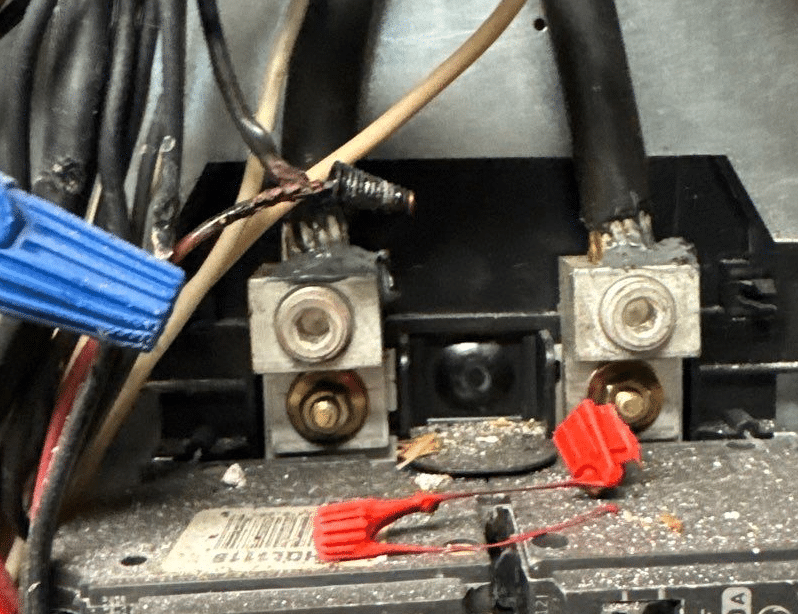
Some switches and receptacles are marked CO/ALR for direct connection to compatible aluminum conductors. Leviton explains the CO/ALR marking. A device must be appropriate for the conductor and installed according to its listing and manufacturer’s instructions, including the specified terminal torque.
In my professional opinion, a properly installed, appropriately rated device can be a compliant connection at that device. But changing a receptacle or switch does not address the other connection points in a home, and the CPSC does not regard CO/ALR device replacement alone as a complete permanent repair. The right scope depends on the installation and the evaluation.
That decision belongs to the insurance company. A carrier may accept a documented repair or inspection, require a particular method or replacement, or decline to insure a home with aluminum wiring. Requirements vary, so ask your insurer or agent for its requirements in writing before work begins. A code-compliant installation or repair does not automatically guarantee insurance acceptance.
We can discuss the insurer’s written requirements, evaluate accessible wiring and connections, explain the options, and document the work we perform. Any permit or inspection requirements depend on the proposed work and local jurisdiction.
If you have questions about aluminum wiring in your Central Florida home, contact Central Florida Electrician to discuss an evaluation and your options.
Fair prices and no fake upsell.