You have your EV charger. Now what will it take to put it to work at home?
Where you park, how quickly you want to recharge, and whether your home’s electrical service can handle the added load all shape the installation. Central Florida Electrician installs customer-supplied chargers and helps you understand what your home needs.
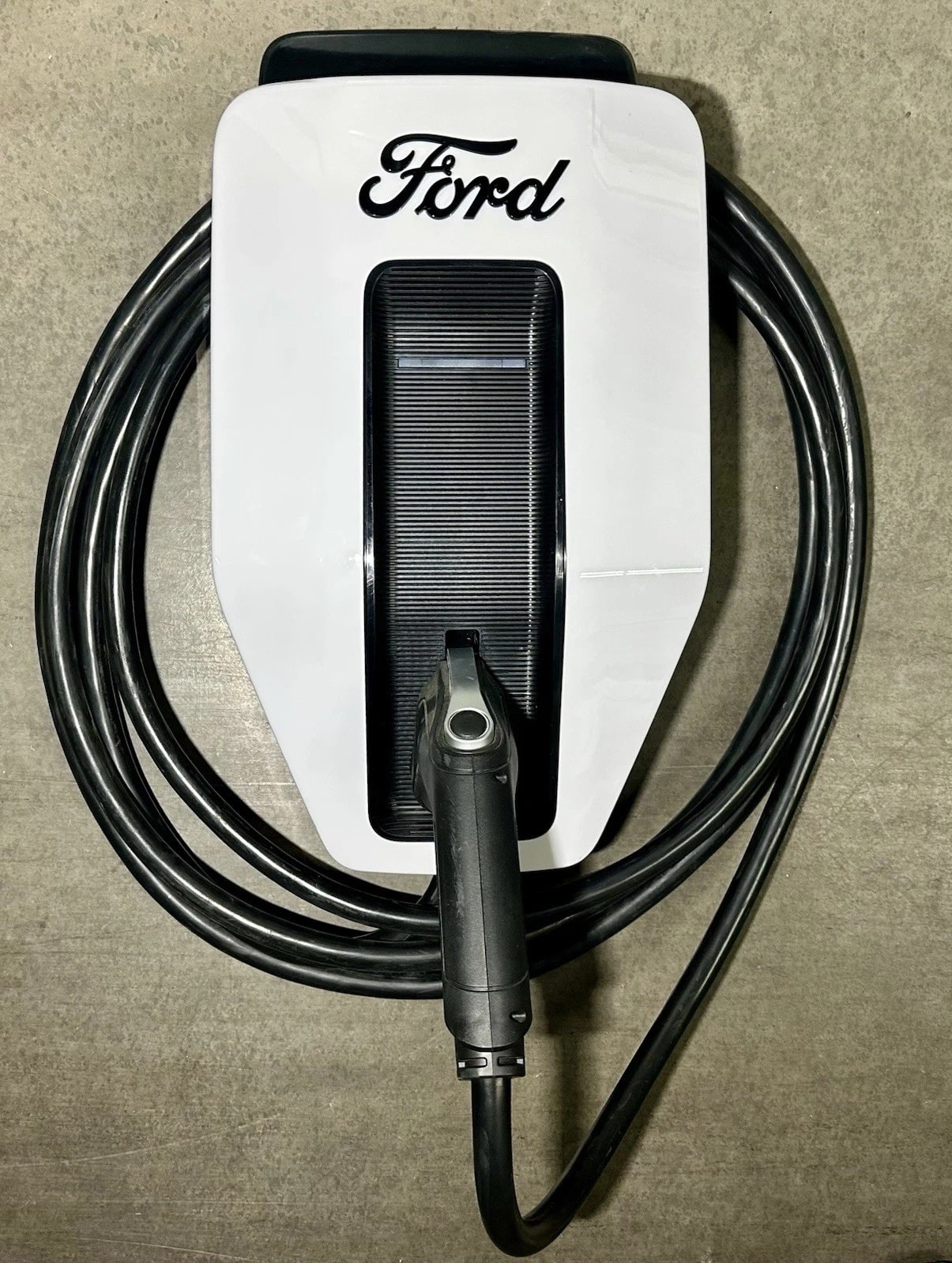
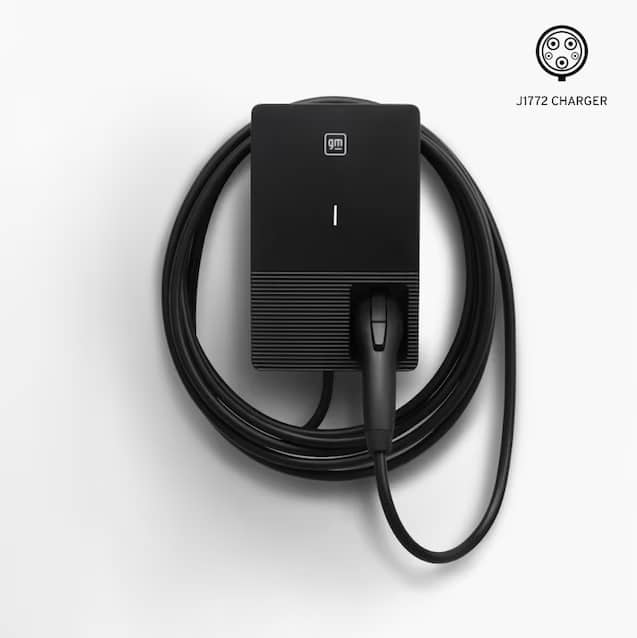
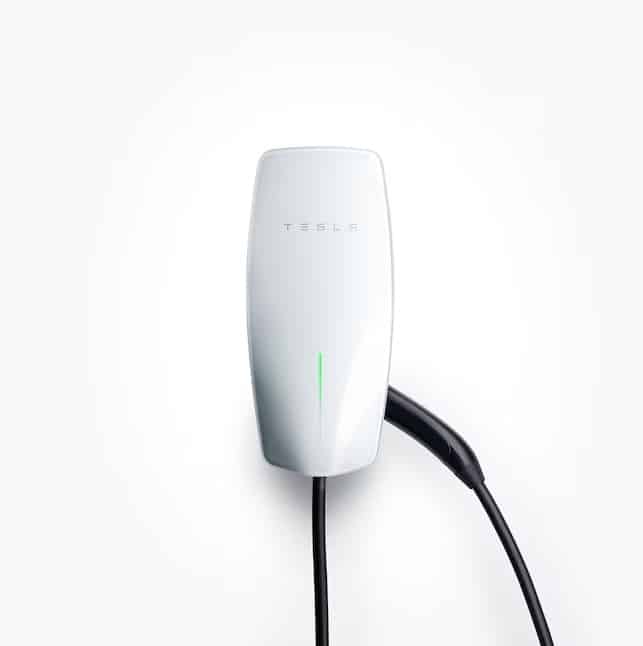
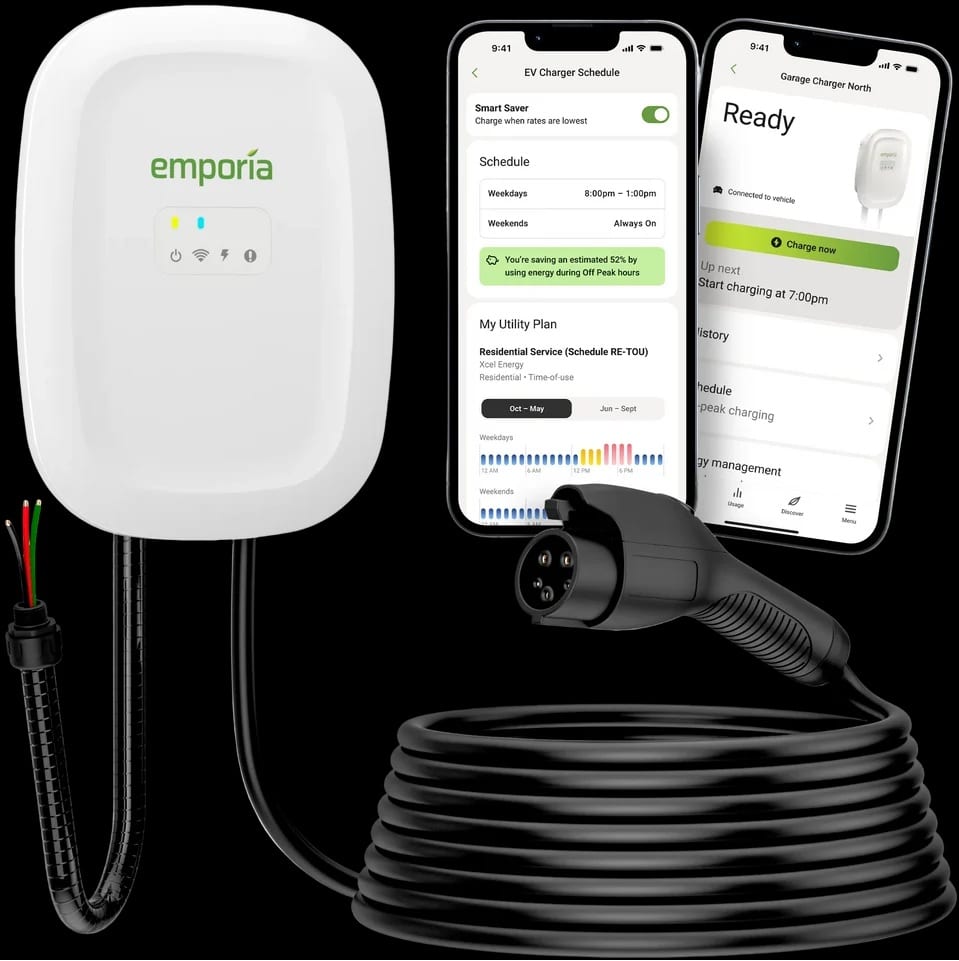
These are examples only. We install many makes and models of customer-supplied EV chargers. Select an image to enlarge it.
Level 1 — 120-volt, 20-amp outlet: A compatible Level 1 charger provides slower charging and may suit drivers who have plenty of time to recharge.
Plug-in Level 2 — NEMA 14-50: We can install a 50-amp, EV-rated NEMA 14-50 receptacle with a GFCI breaker for a compatible plug-in charger.
Hardwired Level 2: We install hardwired chargers on appropriately sized circuits up to 100 amps, subject to the equipment requirements and available electrical capacity.
Higher-power charging can reduce charging time, up to the limits of the charger and vehicle. Your driving routine and how soon you need your vehicle ready help determine the right setup.
We assess your service capacity and the other electrical loads in your home before adding a charger. The main breaker rating is helpful, but it is only one part of that assessment. If the desired charging rate exceeds available capacity, options may include a suitable lower charging rate, load management or a service upgrade.
We look at where you park and the route from the electrical panel to your charger. A location beside the panel can be straightforward; longer runs, walls or underground work can increase the cost. We handle the permit and inspection process for our installation and provide an itemized invoice with our license number.
Duke Energy Florida: Eligible customers may qualify for a Charger Prep Credit for qualifying electrical work supporting Level 2 or higher charging. Duke requires an approved final permit, an itemized paid contractor invoice and qualifying vehicle registration, among other requirements. The charger itself and permit fees are not eligible expenses. Check current program terms before applying. Duke Charger Prep Credit.
OUC: Eligible OUC electric customers may qualify for a $200 bill credit when they purchase or lease an EV and apply within six months. OUC says it does not offer a separate rebate for a charger or charging station. OUC EV rebate details.
Send us the information below to help us begin assessing your service and preparing an estimate:
Your main breaker may be outside near the electric meter. If you can’t identify it, send us a photo and we can help. Please don’t remove electrical covers.
Request an assessment: EV charging assessment form · (407) 801-0126
Charging at home will add to your electric bill, but in some cases it can cost around one-third as much as gasoline for an equivalent vehicle. Actual savings depend on electricity and gasoline prices and the efficiency of both vehicles. How much your bill rises also depends on how far and how you drive: aggressive acceleration and higher speeds can reduce efficiency and increase the electricity needed, while efficient driving can help lower charging costs.