
Your home inspection report lists an electrical problem. Now you’re wondering how serious it is, what it will take to fix it, and whether it could hold up your sale or insurance.
A note about one outlet is very different from evidence of overheating inside a panel. Before anyone recommends a repair, the finding needs a clear explanation.
I’ve worked as an electrician since 1988. At Central Florida Electrician, our job is to explain what was found, what needs further evaluation, and what work addresses the problem. You should understand the recommendation before you approve it.
Have the report already? Send it to us with your contact information. We can review the finding and discuss the appropriate next step.
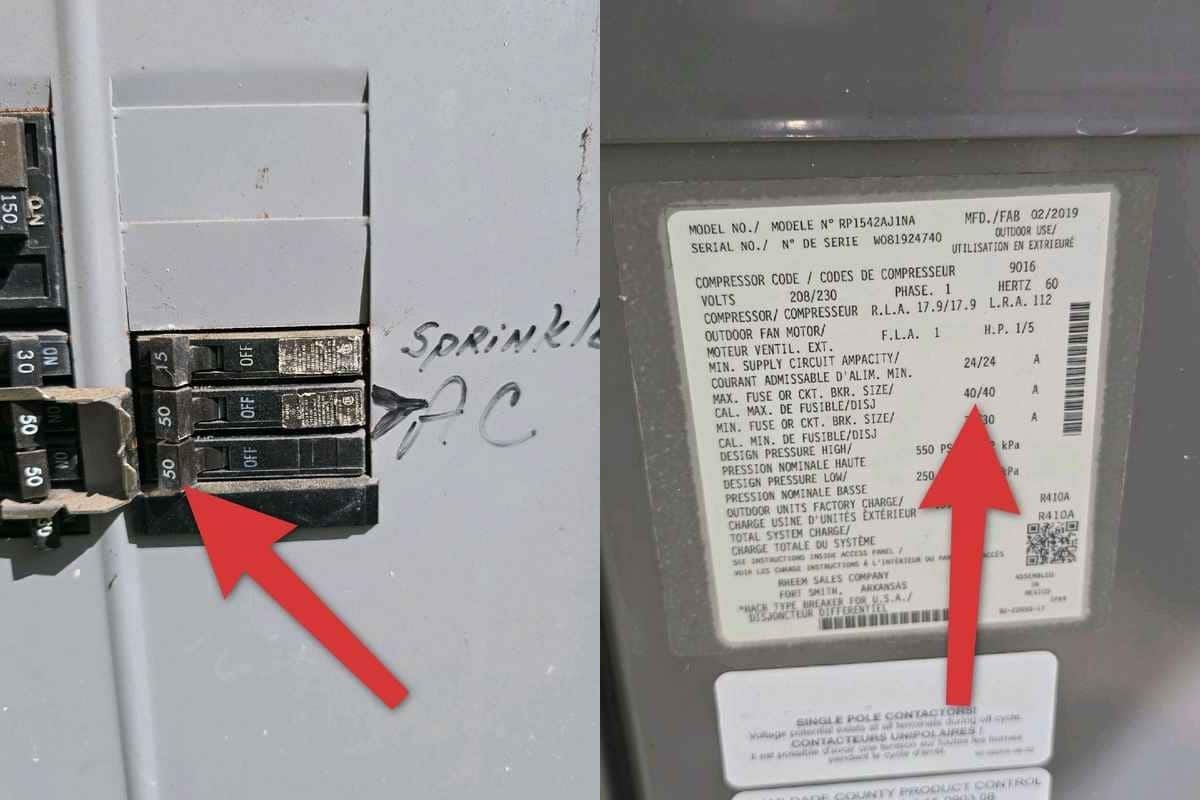
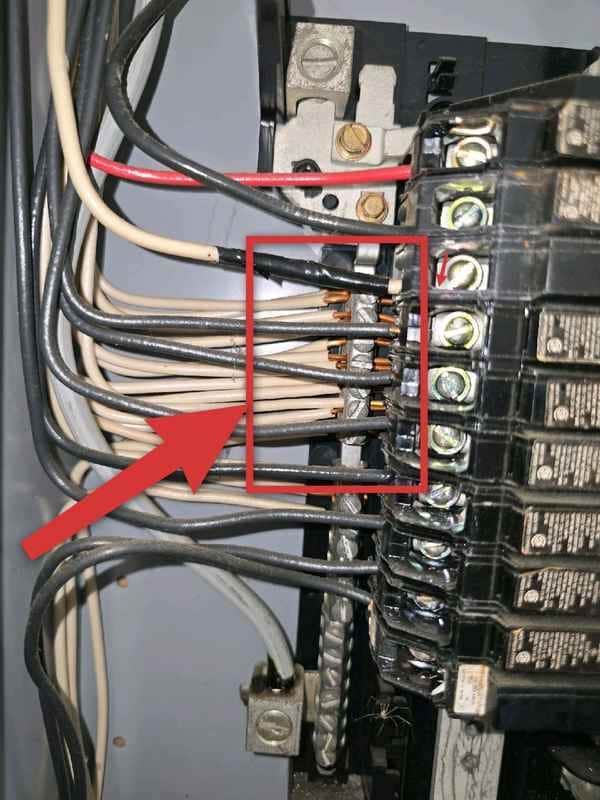
A report may call out two conductors connected to one circuit breaker terminal. Whether that connection is acceptable depends on the exact breaker and its terminal rating.
Some breakers are identified for two conductors of specified sizes and materials. Others are designed for only one. We need to check the equipment markings and manufacturer instructions before deciding what correction is needed.
That distinction matters: two wires at a terminal do not, by themselves, establish that the entire panel must be replaced. If the connection is improper, the correction depends on the circuit, load, equipment, and condition of the installation.
An “open ground” finding at a three-slot receptacle means the equipment grounding path needs evaluation. An older two-wire circuit, a disconnected grounding conductor, and an improper outlet replacement can lead to different recommendations.
Simply installing a three-slot outlet does not create a ground. In qualifying existing installations, GFCI protection can be an allowed replacement option when applicable requirements and labeling are met. It does not create an equipment grounding conductor or satisfy every equipment grounding requirement.
The proposed repair should make clear whether it restores a grounding path, provides a permitted GFCI-protected replacement, or requires another correction.
An ordinary-looking outlet can receive GFCI protection from a device upstream or from a GFCI circuit breaker. The outlet needs testing and circuit evaluation before someone concludes it has no protection.
A GFCI that will not test or reset properly needs evaluation. Repeated tripping needs investigation, rather than bypassing the protection. The requirements depend on the location, installation, and work being performed.
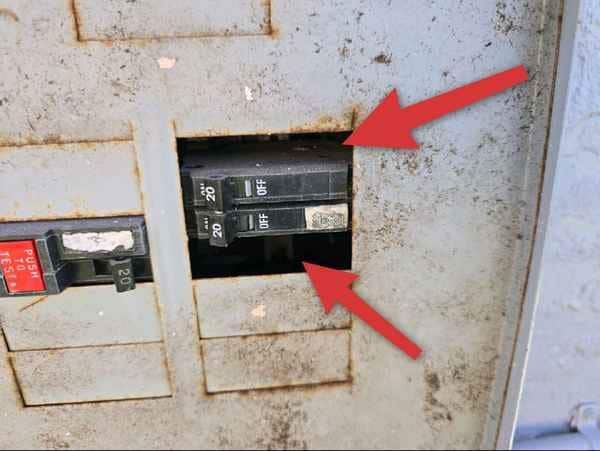
If the report identifies an older panel or aluminum wiring, the next questions are which equipment or conductors it concerns and what condition was observed.
Overheating, damage, improper connections, equipment limitations, and an insurer’s written requirements can affect the recommendation. The equipment’s age, brand, or conductor material alone does not describe the full installation.
Our articles about older electrical panels and aluminum wiring explain these subjects in more detail. For your home, the recommendation should address the actual equipment, its condition, and the reason for the inspection.
A buyer’s home inspection, an insurance four-point inspection, and a permit inspection serve different purposes. A repair recommendation should account for why the report was requested.
If insurance is involved, get the carrier’s written requirements and ask what documentation it needs after the work. An invoice alone does not guarantee acceptance or coverage.
The applicable code edition, permit requirements, and scope of work should be confirmed with the local building department. An older installation needs evaluation in context.
Smoke, sparking, a burning smell, shocks, or visible heat damage deserve prompt attention. Stop using affected equipment and get professional help. If there is fire, smoke, or immediate danger, leave the area and call 911.
Do not remove panel covers, touch damaged equipment, or repeatedly reset a breaker that trips.
You do not need to translate the report into electrical terminology before contacting us. Send the inspection report so we can see the wording, photographs, and property address together.
We’ll review what you send and follow up to discuss the finding and whether an on-site evaluation is needed. If repairs are recommended, you should understand the problem, the proposed correction, and any permitting or follow-up documentation involved.